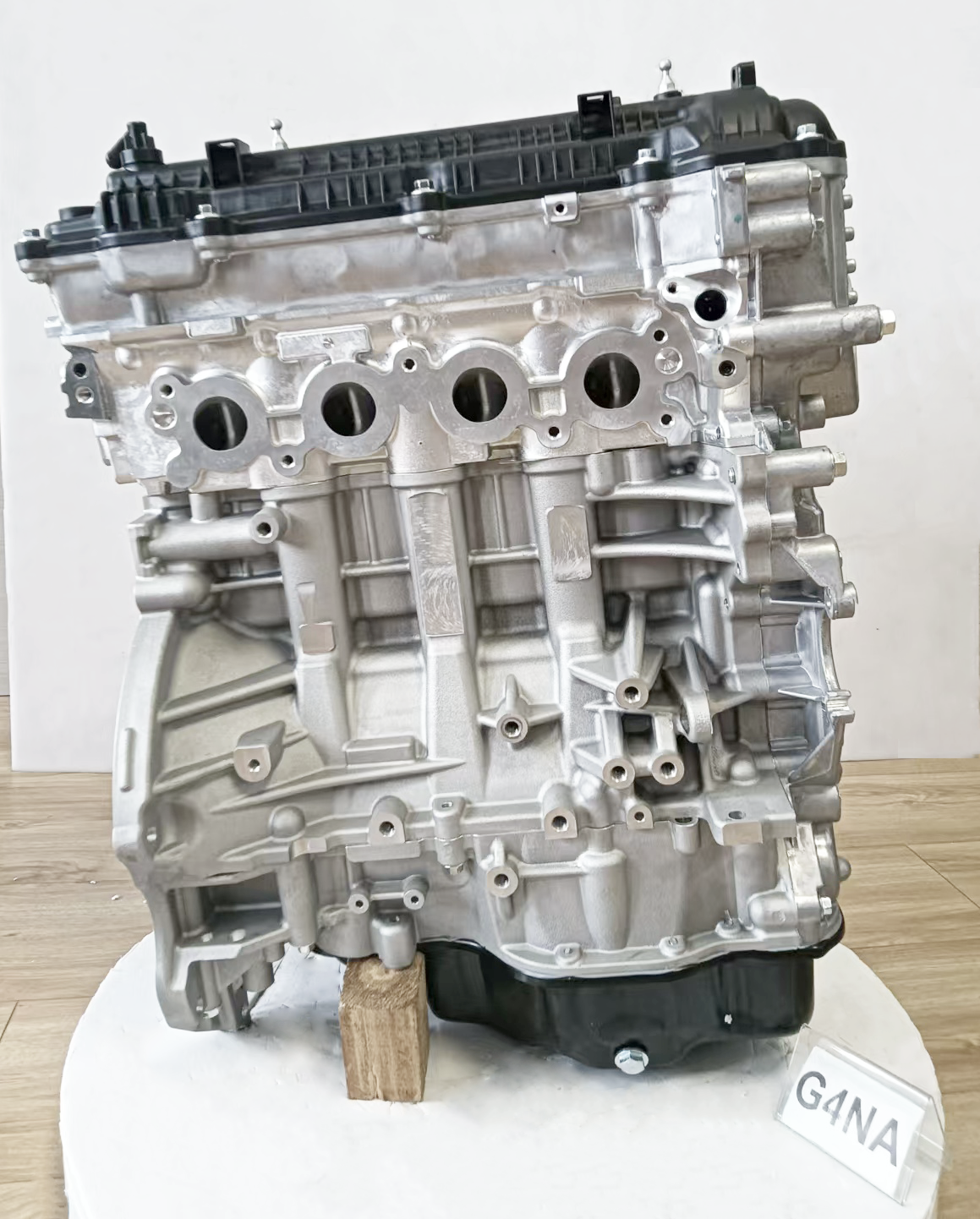
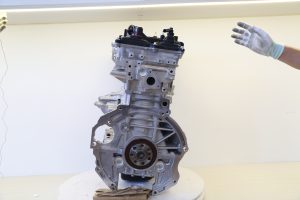
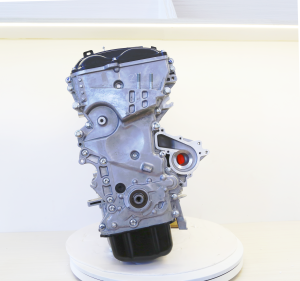
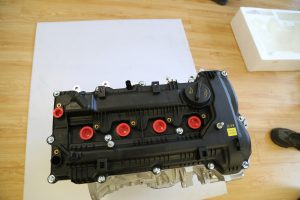
The Hyundai Kia G4NA is a 2.0L naturally aspirated gasoline engine widely fitted on Kia Mingtu, K5, Sportage (Zhipao), ix35 and other mainstream models. Featuring a straightforward and compact basic structure, this powertrain suffers from inherent design flaws in its early iterations, leading to concentrated failure symptoms once the mileage exceeds 100,000 kilometers. This article elaborates on its most frequent malfunctions, underlying causes and targeted maintenance specifications.
1. Cylinder Scuffing & Excessive Oil Consumption
This is the most prevalent and representative issue of the early G4NA engine. Units produced before 2017 omit piston cooling oil jets, with piston lubrication and heat dissipation entirely relying on crankshaft splash lubrication. Under high-load operating conditions, insufficient piston heat dissipation easily causes cylinder wall scuffing and damage.
Typical failure symptoms include a diesel-like metallic knocking noise on cold start, which gradually weakens as the engine warms up. This issue is accompanied by rapid engine oil depletion and blue exhaust smoke. In addition, the three-way catalytic converter carrier is prone to fragmentation, with ceramic debris being sucked into the combustion chamber and further aggravating cylinder wall wear.
The standard repair solution involves cylinder boring and liner installation, retrofitting piston cooling oil jets, and full replacement of upgraded piston rings.
2. Cold-Start Abnormal Noise & Timing Chain Skipping
The factory-original hydraulic timing chain tensioner features inadequate durability. After 150,000 kilometers of operation, the timing chain tends to elongate, resulting in insufficient tension and a distinct rattling noise from the engine bay during cold starts. If left unaddressed, chain skipping will bend the intake valves, ultimately triggering severe engine damage that requires a complete overhaul.
For routine maintenance, the oil replacement cycle should be shortened appropriately. Once abnormal cold-start noise occurs, the full timing chain assembly and tensioner must be replaced immediately to avoid catastrophic mechanical failure.
3. Intake System Carbon Deposits & Idle Vibration
Equipped with multi-point electronic fuel injection, the G4NA engine is susceptible to gum and carbon buildup during frequent low-speed cruising and short-distance commuting. Deposits accumulate on the throttle body and the back of intake valves, reducing the effective intake cross-sectional area.
Corresponding symptoms cover unstable idling, difficult startup, increased fuel consumption and low-speed vehicle jerking. The recommended solution is throttle body and intake manifold disassembly and cleaning. For heavy carbon buildup, walnut sand blasting physical cleaning is effective. Scheduled cleaning every 20,000 kilometers can effectively prevent such faults in advance.
4. Bearing Wear & Engine Mechanical Knocking
Delayed engine oil top-ups and prolonged high-temperature operation will accelerate wear on crankshaft and connecting rod bearings, generating a dull metallic knocking sound at medium and low engine speeds. The stock bearing shells have mediocre wear resistance. Once wear symptoms appear, the complete bearing shell set must be replaced promptly to prevent crankshaft scoring and permanent scrappage.
Routine use of OEM-grade full synthetic engine oil is mandatory, and low-quality lubricants must be avoided entirely.
5. Cooling System Leakage & Overheating Faults
Water pump seal aging and minor cylinder head gasket leakage are common aging failures of this engine, manifesting as continuous coolant loss, sustained high water temperature and engine oil emulsification.
Regular inspection of water hoses and pump seals is essential. Timely overhaul is required once overheating occurs, to prevent irreversible cylinder block deformation and scuffing caused by persistent high temperatures.
Summary
The majority of G4NA engine failures stem from inherent lubrication system design defects in early models plus inadequate daily maintenance. Adhering to standardized maintenance schedules and promptly resolving abnormal noise and oil consumption issues can greatly extend the engine’s service life and reliability.