Introduction
The cylinder head is an indispensable part of any internal combustion engine. It seals the upper section of the cylinder and has a major impact on overall engine operation. Learning to spot warning signs of a deteriorating cylinder head helps preserve engine health and avoid expensive repair bills. This guide covers typical warning symptoms and inspection methods to identify a faulty cylinder head.
What the Cylinder Head Does
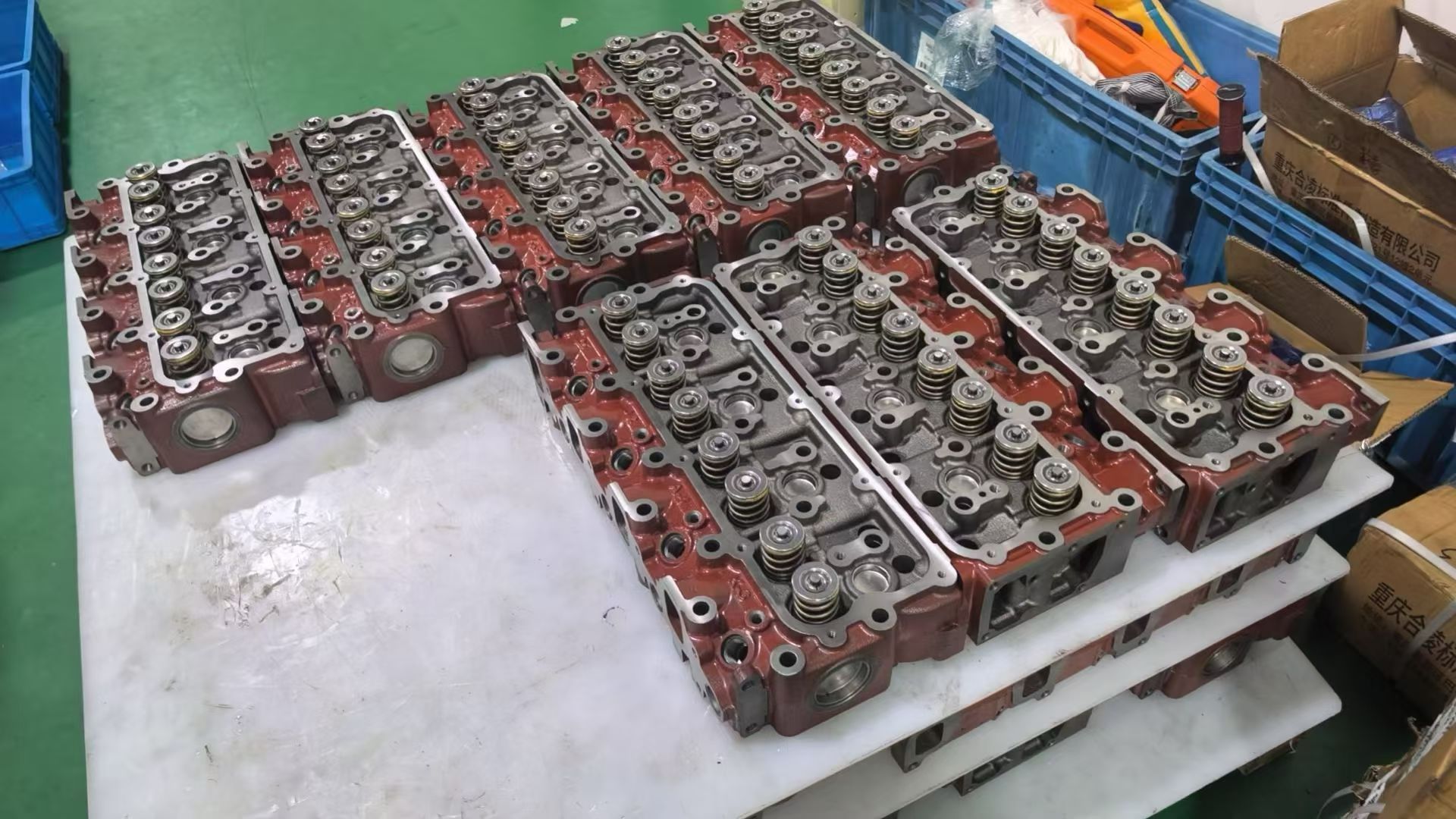
Before troubleshooting, it helps to understand the basic function of the cylinder head. Mounted on top of the engine block, it closes off the combustion chamber. It houses intake and exhaust valves, fuel injectors and spark plugs. It controls the entry of air-fuel mixture into cylinders and the discharge of exhaust gas. A fully functional cylinder head guarantees stable engine power and fuel efficiency.
Parts Inside the Cylinder Head
The cylinder head consists of multiple precision components:
– Intake & exhaust valves
– Valve springs
– Rocker arms
– Camshaft(s)
– Combustion chamber
– Coolant and oil flow passages
All these parts need to work properly to maintain engine integrity. Damage to any single component may eventually result in cylinder head failure.
Key Warning Signs of a Faulty Cylinder Head
Catching cylinder head issues at an early stage can stop secondary engine damage. Below are the most common warning indicators:
1. Engine overheating
Overheating is one of the most typical red flags. Cracks or warping on the cylinder head may trigger coolant leakage, weakening the cooling system’s temperature control ability. Sustained overheating can cause irreversible engine damage.
2. Weak engine performance
A damaged cylinder head lowers cylinder compression. You may experience power loss, engine misfires and sluggish acceleration. In serious cases, the engine becomes hard to start or will not start at all.
3. White exhaust smoke
White smoke coming out of the tailpipe means coolant is burning inside the combustion chamber, usually caused by cylinder head cracks. This symptom is often accompanied by a sweet odor and points to severe internal fluid leakage.
4.Engine oil mixed with coolant
When coolant seeps into oil galleries, it contaminates engine oil and creates a milky, creamy texture. Contaminated oil loses its lubrication capability, accelerating component wear and potentially causing total engine breakdown.
5. External coolant or oil leaks
Visible oil or coolant seepage on the engine exterior may signal cylinder head damage. These leaks will drain fluid levels, which in turn leads to overheating and insufficient lubrication.
Diagnostic Procedures
Accurate testing is necessary to confirm cylinder head faults. Mechanics commonly use these inspection methods:
– Compression Test
This test measures pressure inside each cylinder. Low compression readings indicate air leakage caused by cracked or warped cylinder heads. If multiple cylinders show consistently low compression, the damage is usually substantial.
– Cylinder Leakage Test
Technicians pressurize each cylinder and calculate air escape volume. High leakage rates suggest faults on the cylinder head, valves or head gasket.
– Chemical Cooling System Test
This chemical test checks for exhaust gas inside the cooling circuit. If exhaust gas is detected, gas is leaking into coolant through a breach in the cylinder head or head gasket.
– Physical Visual Inspection
Removing the cylinder head allows thorough visual examination. Inspect for cracks, warping, or worn valves and other internal parts. Uneven surface distortion prevents proper sealing and creates fluid or gas leaks.
What Causes Cylinder Head Damage
Knowing the root causes helps you prevent cylinder head failures:
– Engine overheating
High operating temperatures warp or crack cylinder heads. Overheating can stem from coolant leaks, faulty water pumps or clogged radiators. Cooling system faults must be fixed right away.
– Pre-ignition and engine detonation
Abnormal combustion including pre-ignition and detonation generates extreme pressure and heat inside cylinders. Over time, these harsh conditions damage the cylinder head and other engine hardware.
– Manufacturing flaws
Rarely, production defects create weak points on cylinder heads. Material imperfections or inaccurate machining can lead to premature failure.
– Lack of routine maintenance
Skipping oil changes and coolant replacement speeds up corrosion and component wear. Dirty fluids gradually erode the cylinder head and its internal parts.
Repair or Replacement Options
Once a defective cylinder head is confirmed, you have several solutions:
– Cylinder head repair
Minor warping and small cracks can sometimes be restored. Machine shops can resurface warped heads and repair tiny cracks with welding. This is a budget-friendly solution, subject to how severe the damage is.
– Cylinder head replacement
For heavily damaged units, fitting a new cylinder head is the preferred fix. Brand-new or remanufactured cylinder heads are available to restore original engine performance. Always verify compatibility with your engine model before ordering.
You can browse our cylinder head product range for reliable replacement parts. Visit [https://wistarautoparts.com/products.html](https://wistarautoparts.com/products.html) for details.
– Full engine replacement
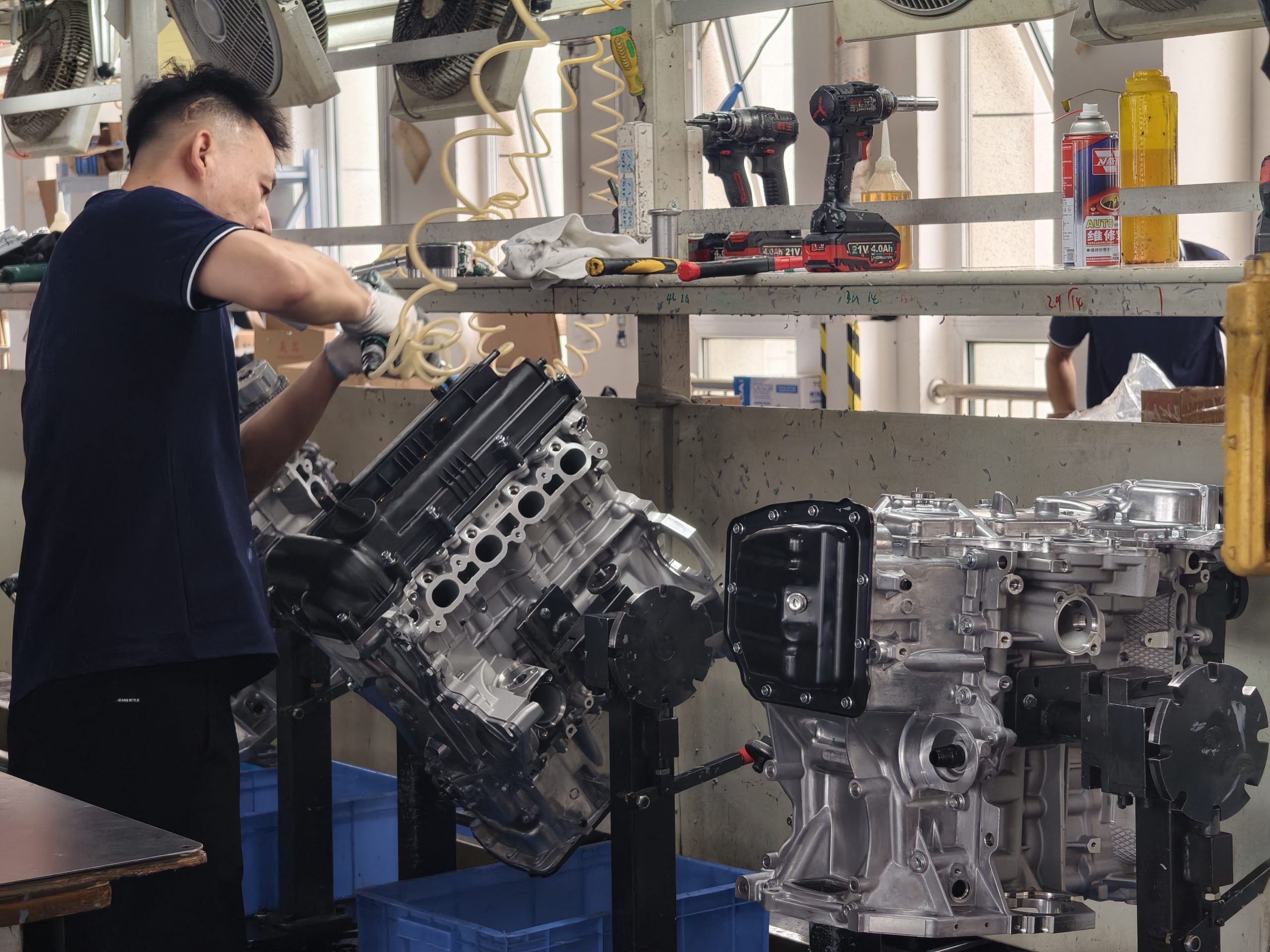
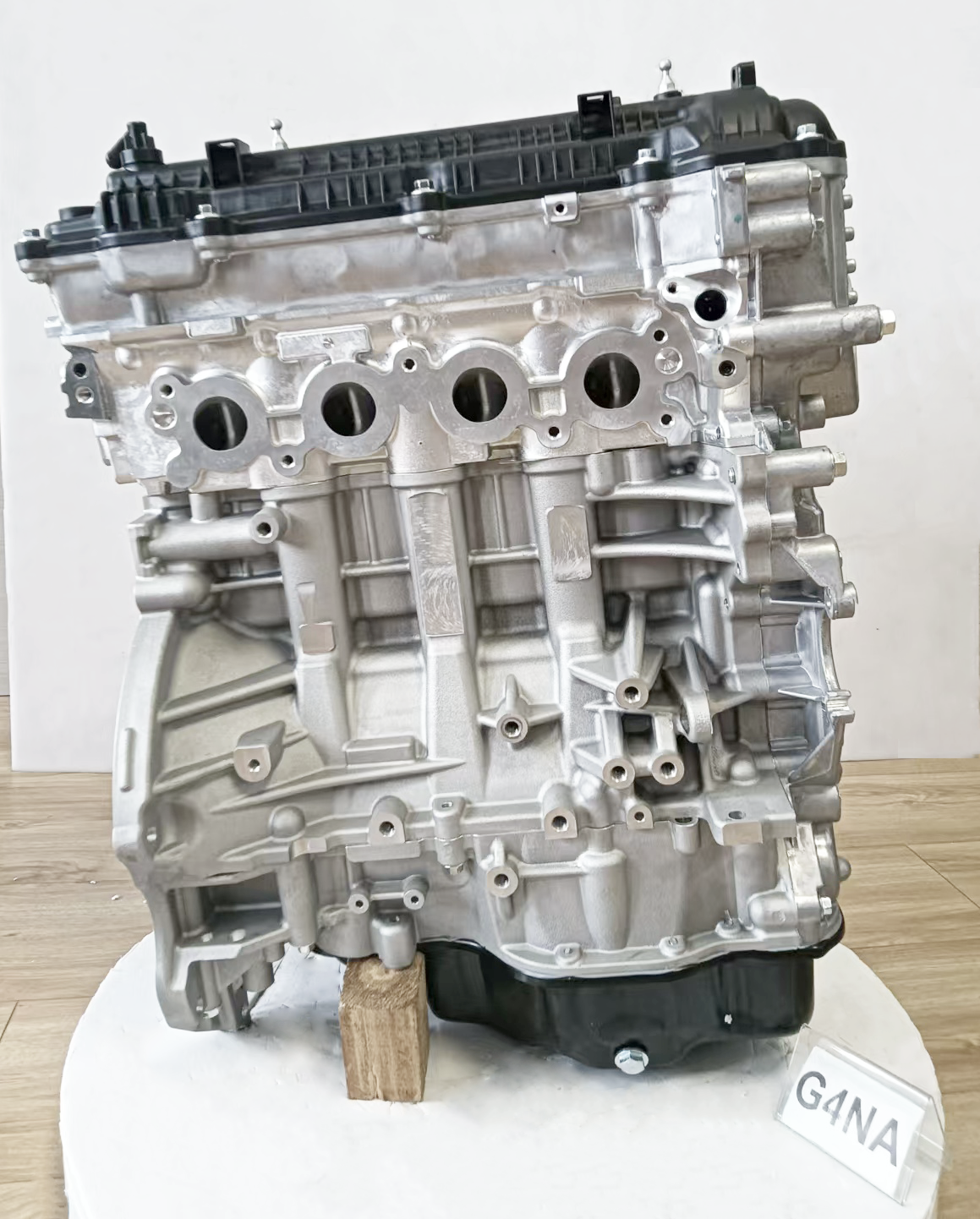
If cylinder head failure has ruined other major engine components, replacing the whole engine may be required. Although this option costs more upfront, it often delivers better long-term reliability, especially for older vehicles.
How to Prevent Cylinder Head Issues
Preventive maintenance is the best way to avoid cylinder head troubles. Follow these tips to keep your engine in good shape:
– Stick to scheduled maintenance
Follow your vehicle’s maintenance plan. Regular oil changes, coolant flushes and inspections help catch emerging faults early. Use premium fluids and components to extend service life.
– Watch engine temperature
Keep an eye on the temperature gauge. Take immediate action once the engine overheats to avoid permanent damage. Make sure the cooling system operates normally with no leaks or blockages.
– Use suitable high-quality fuel
Use the fuel grade recommended for your vehicle to avoid combustion problems. Quality fuel reduces risks of pre-ignition and detonation, protecting the cylinder head and associated engine parts.
– Seek professional engine checks
If you notice any change in engine performance, arrange a professional inspection. Early detection of cylinder head faults saves you from massive repair costs. For professional support, contact us via [https://wistarautoparts.com/contactus.html](https://wistarautoparts.com/contactus.html).
Why You Must Act Quickly
Ignoring cylinder head warning signs can result in total engine failure. Repairing a seized engine costs far more than fixing cylinder head issues at an early stage. Always treat engine warning symptoms seriously and consult a mechanic if you have doubts.
Selecting Suitable Replacement Components
When replacement becomes necessary, picking the correct parts is critical. Check compatibility, material quality and supplier reputation. OEM parts are recommended for guaranteed fitment and quality.
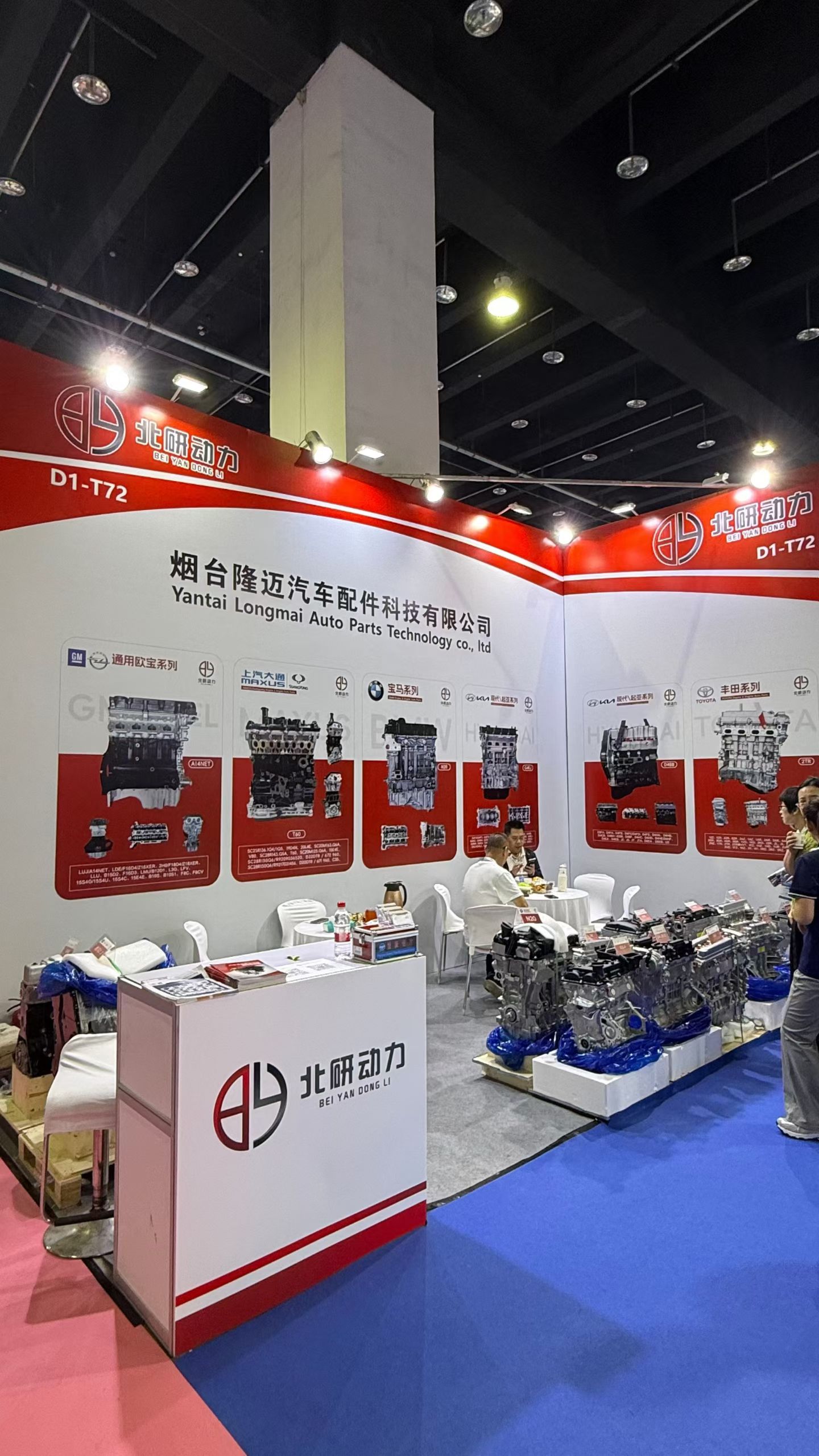
Our company supplies a broad lineup of premium cylinder head assemblies for numerous engine models. Go to(https://www.dchoose.com/) to find the correct match for your engine.
Conclusion
The cylinder head performs a vital function for engine operation. Identifying early symptoms of a failing cylinder head prevents extensive damage and high repair costs. All vehicle owners should maintain regular service and respond promptly to engine abnormalities.
By learning to recognize cylinder head faults and understanding available fixes, you can extend your vehicle’s service life and improve reliability. If you need professional guidance or quality replacement components, feel free to review our product resources or reach us through our website.