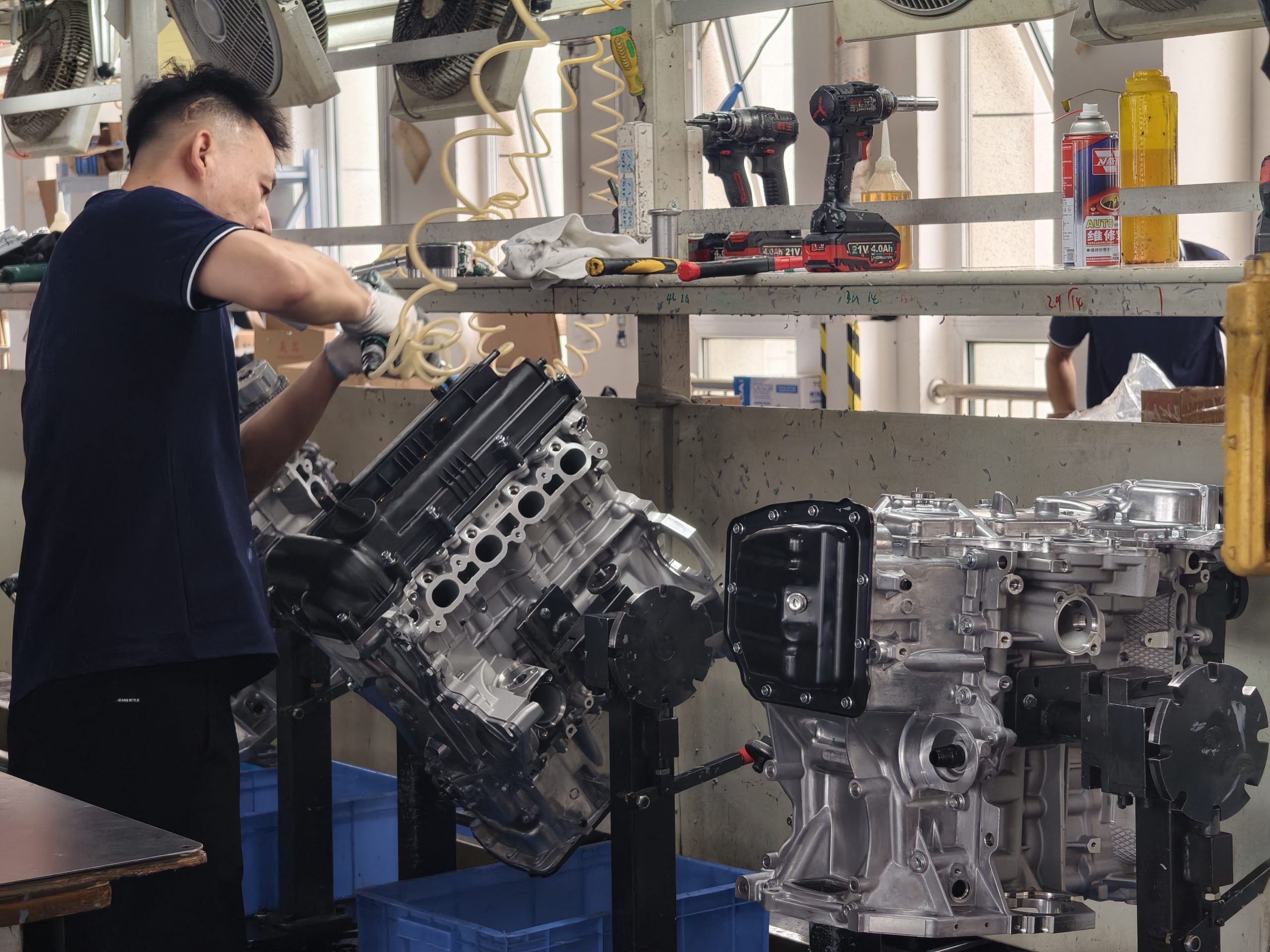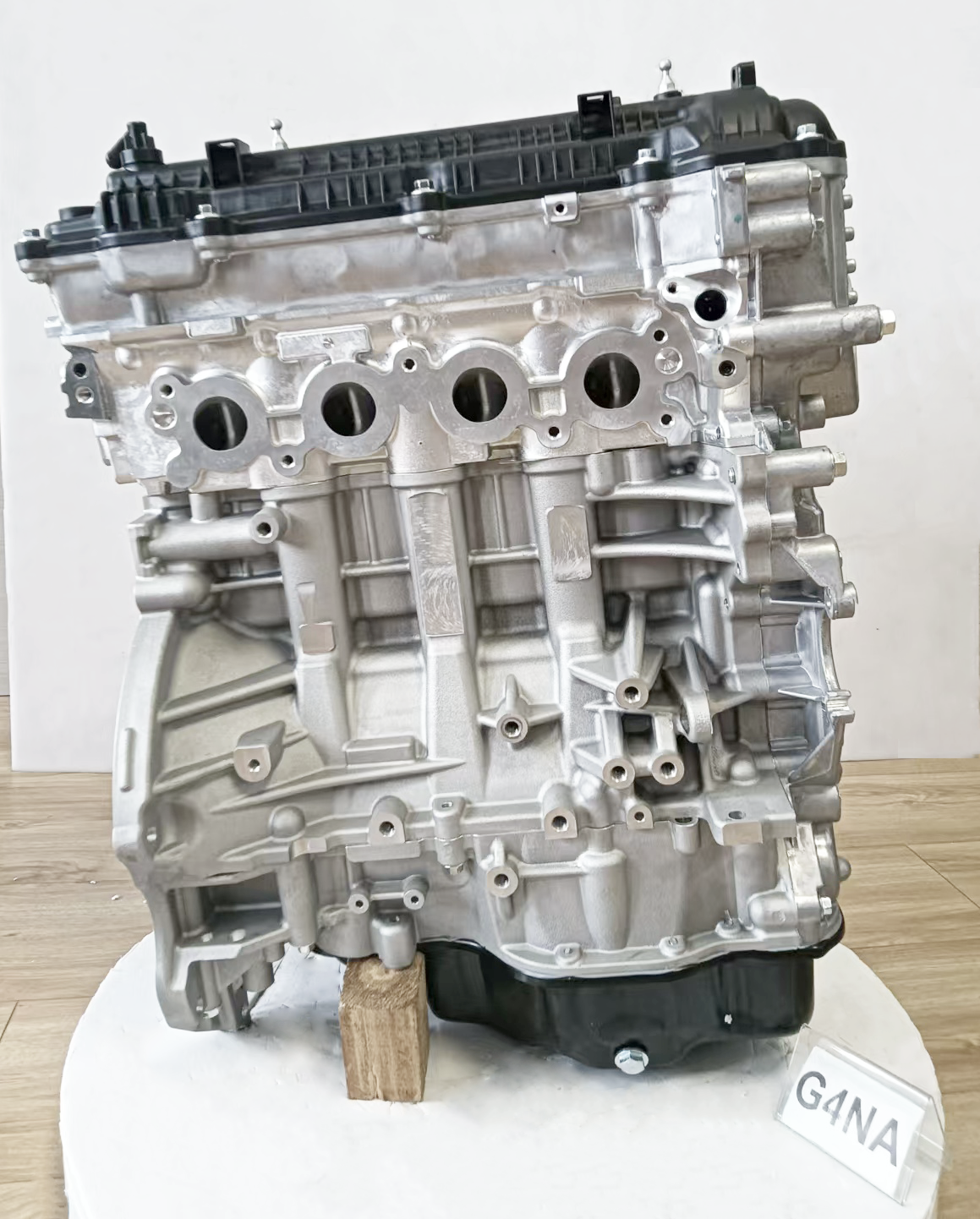
In the current era of the widespread rise of new energy vehicles, the discussion of “gradually phasing out gasoline-powered vehicles” has never ceased. However, in extreme environments such as extreme cold, Gobi deserts, and high-altitude mountainous areas, the core advantages of gasoline-powered vehicles remain irreplaceable. Their irreplaceability stems from the urgent need for transportation in these extreme scenarios.
1. Extremely Low Temperatures: Power Stability Kills New Energy
In polar or high-altitude regions with temperatures below -30°C, the activity of lithium batteries drops drastically, significantly reducing the driving range of new energy vehicles, even causing them to “collapse,” and charging efficiency will drop to below 10% of normal levels. Gasoline-powered vehicles, relying on internal combustion engines, can stably output power as long as the fuel doesn’t freeze. For example, in Arctic scientific expeditions and transportation in the Siberian permafrost, gasoline-powered vehicles remain the primary mode of transportation, not relying on fragile charging infrastructure, and can complete long-distance transportation tasks solely using their fuel tanks.
2. Scenarios with Limited Infrastructure: Energy Recharge Efficiency Determines Survivability
In deserts, sparsely populated areas, and other regions with limited infrastructure, the energy recharge advantage of gasoline-powered vehicles is unparalleled. Simply carrying a spare fuel tank allows for charging in minutes, easily extending the driving range to thousands of kilometers. The reliance on charging stations for new energy vehicles becomes completely ineffective in these scenarios, and even portable charging equipment struggles to solve the power problem. Therefore, research teams and off-road rescue teams in sparsely populated areas of western China still rely heavily on gasoline-powered vehicles.
3. Complex Working Conditions: Better Maintenance Adaptability
In extreme working conditions such as high altitudes and frequent sandstorms, gasoline engines offer greater structural stability and ease of maintenance. While new energy vehicles are unaffected by the thin air at high altitudes, battery heat dissipation and sealing issues become more pronounced; gasoline vehicles only require adjusting the air-fuel ratio to adapt to the environment. Furthermore, repair shops are scarce in extreme environments. Gasoline vehicles, with their relatively simple structure, can handle common faults on-site, while electronic control system malfunctions in new energy vehicles require specialized equipment, making rapid response difficult in emergencies.

Of course, the irreplaceable nature of gasoline vehicles is a conclusion drawn under specific scenarios. With breakthroughs in new energy technologies, their applicability is constantly expanding. However, at least for now, in extreme environments, gasoline vehicles remain a crucial “ballast” for reliable passage and are unlikely to be completely replaced in the short term.