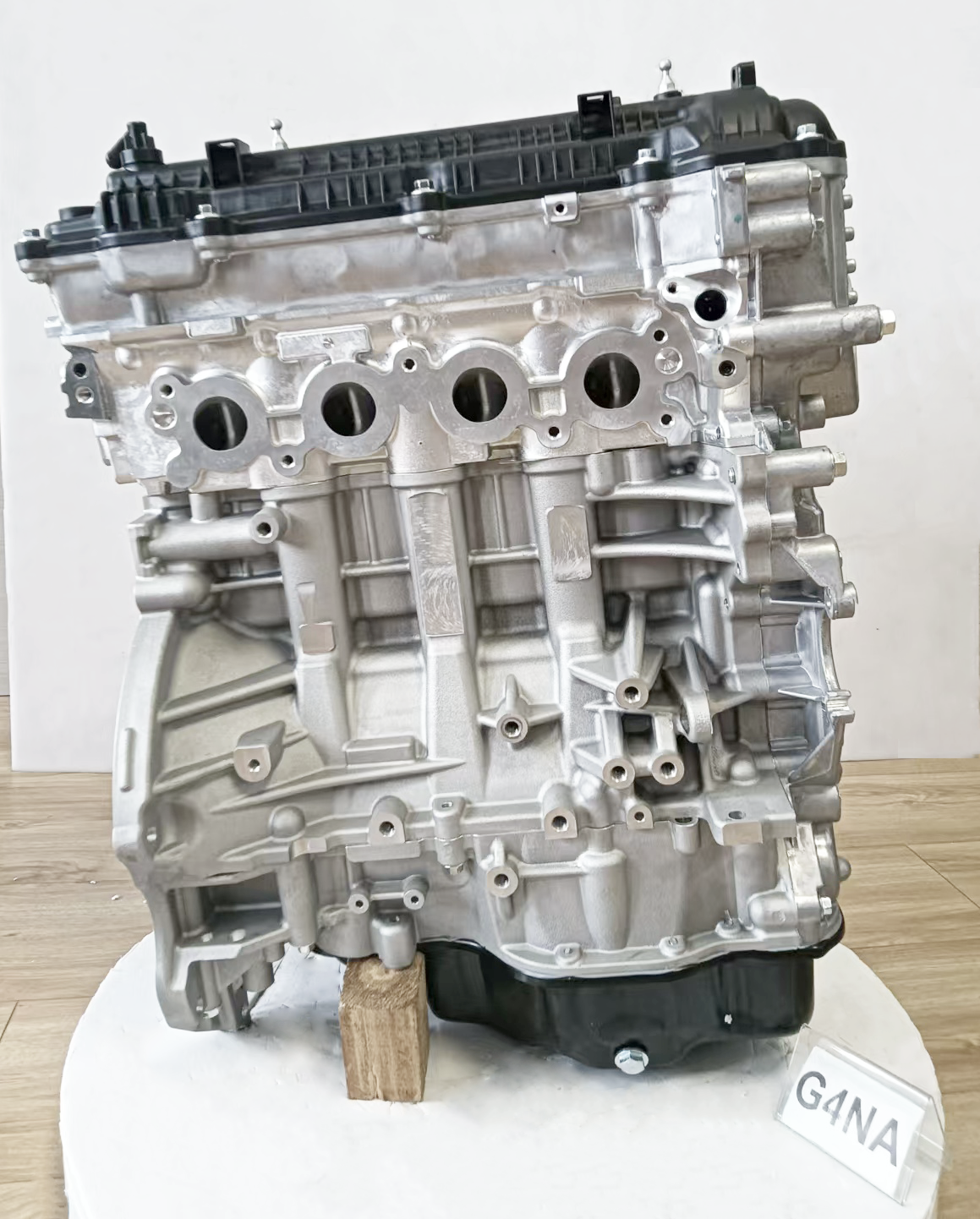
The BMW N20, launched in 2010 as the second-generation inline four-cylinder 2.0T turbocharged engine, is a classic example of BMW’s modular powertrain strategy. It won the Ward’s 10 Best Engines award and completely replaced older naturally aspirated engines, establishing the technological foundation for BMW’s civilian turbocharged powertrains until its replacement by the B48 series engine in 2017. This engine emphasizes high response, high efficiency, and lightweight design, integrating many of BMW’s signature core technologies while balancing sporty performance with everyday fuel economy.
In terms of power, the N20 uses a twin-scroll single-turbocharger core solution. Unlike ordinary single-scroll turbochargers, this effectively avoids exhaust interference between cylinders, allowing exhaust gas pulses to drive the turbocharger more efficiently, significantly reducing turbo lag and achieving high torque output at low speeds. The engine is available in high, medium, and low power outputs, suitable for many mainstream BMW models such as the 3 Series, 5 Series, X1, and X3, offering broad power coverage and strong adaptability.
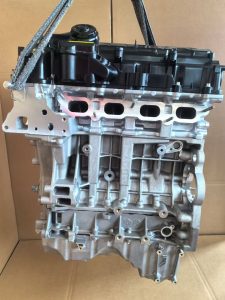
Valve control is a core technological highlight of the N20, featuring a third-generation Valvetronic III electronic valve lift system and a dual VANOS variable valve timing system. The electronic valves offer stepless adjustment of valve lift from 0.18 to 9.9 mm, precisely adapting to different operating conditions such as idling, cruising, and acceleration, reducing pumping losses. The dual VANOS system supports continuously adjustable crankshaft angles of 70° for intake and 55° for exhaust, optimizing intake and exhaust efficiency throughout the entire process, resulting in more abundant low-end torque and smoother high-end power delivery, while effectively reducing fuel consumption. Combined with a 200bar high-pressure direct injection system, fuel atomization is excellent, significantly improving combustion completeness.
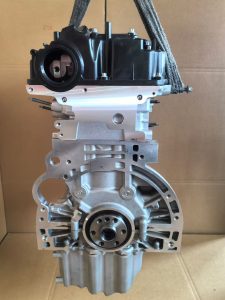
In terms of structural design, the N20 prioritizes smoothness and practicality. It incorporates dual balance shafts at the bottom, driven by a toothed chain, which can counteract first- and second-order vibrations of a four-cylinder engine, greatly improving operating smoothness and approaching the feel of a six-cylinder engine. It also features a characteristic curve-adjustable oil pump that adjusts oil pressure as needed, reducing unnecessary power consumption and further improving fuel economy. The engine utilizes a lightweight aluminum alloy cylinder block and cylinder head, effectively controlling the vehicle’s weight distribution and optimizing handling.
From a technical perspective, the N20 is a key model in BMW’s transition from naturally aspirated to turbocharged engines, deeply integrating precision valve control, efficient turbocharging, and precise fuel injection technologies, breaking the trade-off between performance and fuel consumption. However, this engine has inherent problems: the plastic timing chain guides are prone to aging and cracking with prolonged use, causing engine noise, oil blockage, and other issues. Valve cover leakage is also a common fault and a key area for improvement in later B48 models. Overall, thanks to its mature technical architecture, the N20 has become one of BMW’s most representative classic four-cylinder turbocharged engines in recent times.