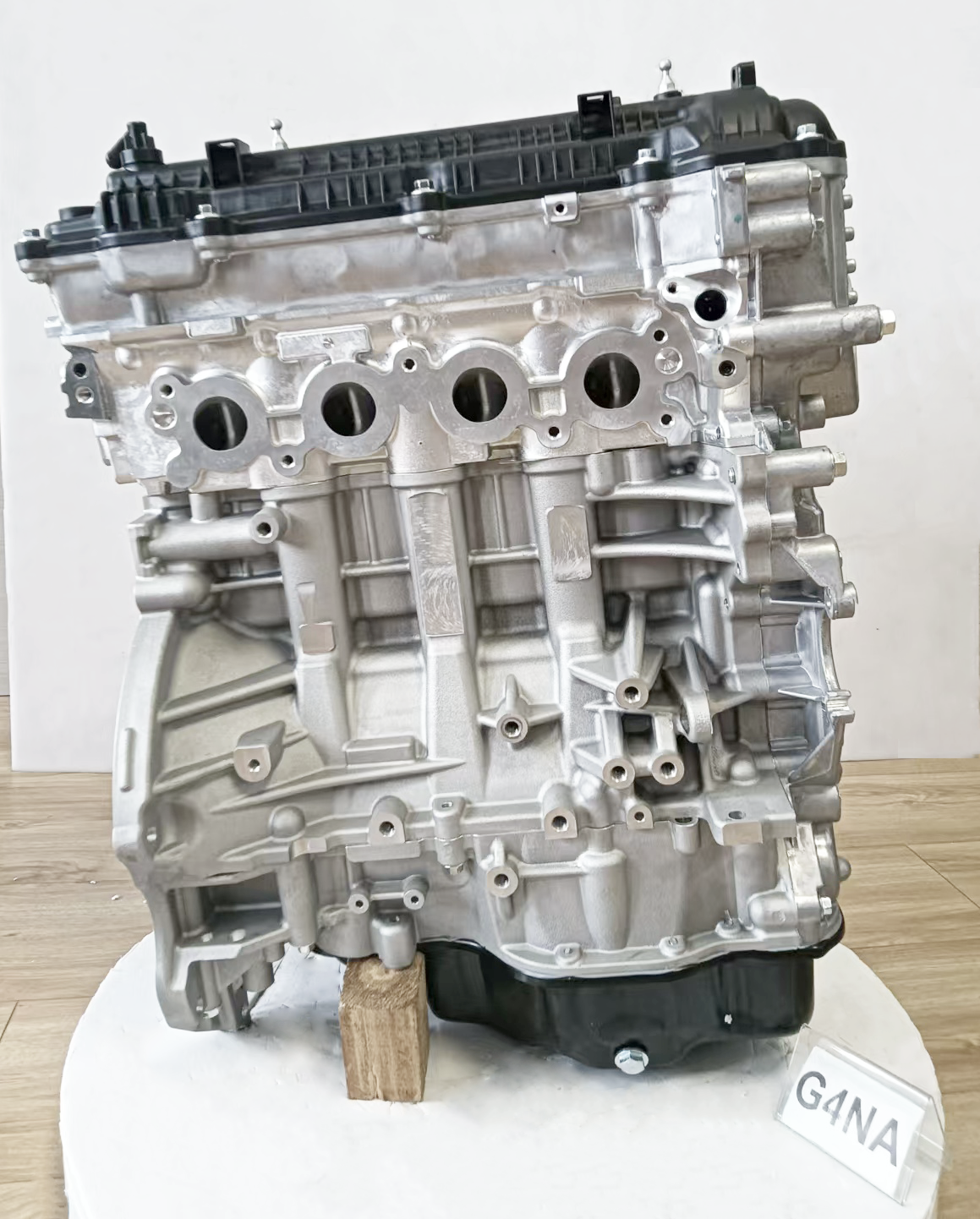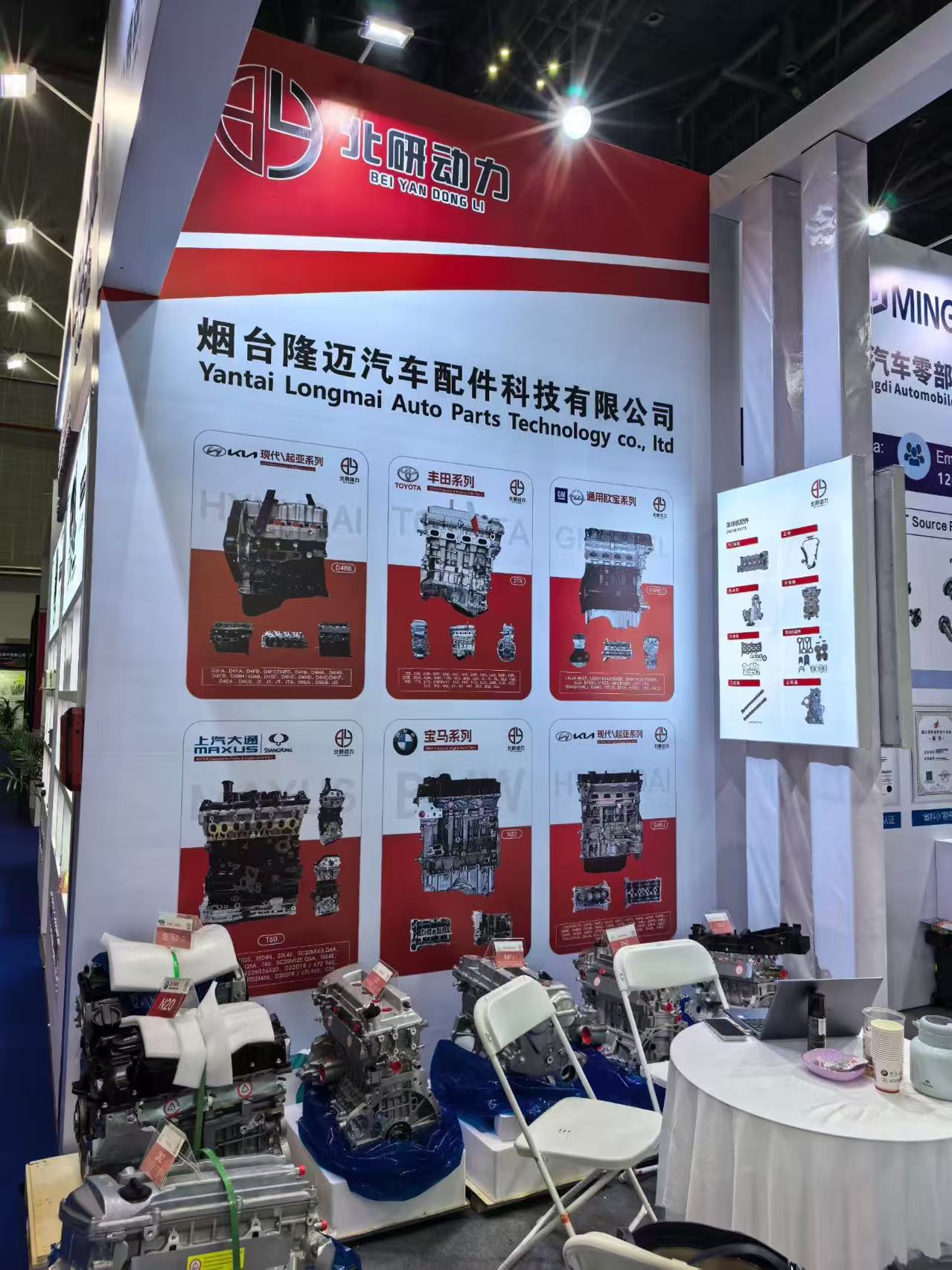
The primary distinction between cast iron and all-aluminum engines lies in the material used for the cylinder block; any other differences stemming from this choice are ultimately determined by the inherent properties of the respective materials. Purely from an aesthetic standpoint, a cast iron engine tends to convey a sense of cheapness, whereas an all-aluminum engine appears far more premium and sophisticated. However, appearances alone do not fully define the differences between the two, as each possesses its own distinct set of advantages and disadvantages.
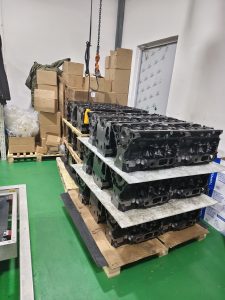
First, let us take a look at the cylinder block.
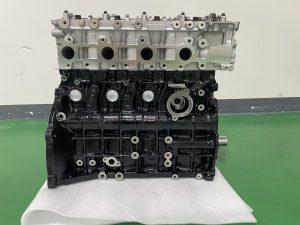
The cylinder block serves as the foundational component of the engine; various engine parts are mounted upon it, and it is responsible for maintaining the precise spatial alignment of these components relative to one another. During operation, the working surfaces of the cylinder block come into contact with high-temperature, high-pressure combustion gases, while the pistons undergo high-speed reciprocating motion within its bores. Simultaneously, the block must withstand gas pressures, reciprocating inertial forces, centrifugal forces, frictional forces, and various impact forces resulting from the engine’s own mass; it is thus subjected to significant temperature fluctuations as well as substantial mechanical and thermal loads. Consequently, the cylinder block is required to possess sufficient rigidity and strength, along with excellent heat resistance and thermal conductivity, as well as robust resistance to corrosion and wear.
Furthermore, the interior of the cylinder block features an intricate network of intersecting water and oil passages, along with various bore seats, partition walls, and other components; these elements collectively form numerous internal cavities designed to store coolant and engine oil. To lubricate bearings—such as those for the crankshaft and camshaft—and to facilitate piston cooling through oil jets, these specific areas are equipped with branch oil passages and oil nozzles. These components direct the flow of engine oil, thereby ensuring the proper circulation and functioning of the engine’s lubrication system. Additionally, the block incorporates water passages designed to guide the flow of coolant, various valve bodies, manufacturing access ports, and other features.
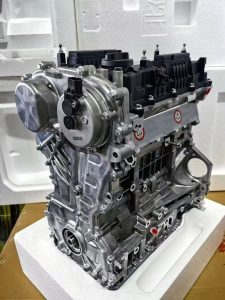
In real-world discussions, the most frequently debated topic is which is superior: aluminum alloy engines or cast iron engines. If we consider mechanical properties alone, cast iron engines hold the advantage; they possess greater mechanical strength and superior heat resistance, enabling them to withstand heavier mechanical and thermal loads, while also offering enhanced resistance to wear and corrosion.
The primary advantages of an aluminum alloy engine are its lighter weight and superior heat dissipation; in all other respects, however, it falls short of cast iron. When weighing all factors comprehensively, the cast-iron engine actually holds a slight edge.
Given that cast-iron engines possess so many advantages, why do so many automakers opt for aluminum engines?
Most modern passenger vehicles employ a transverse engine layout combined with front-wheel drive, positioning the engine ahead of the front axle. This specific configuration is highly sensitive to the weight concentrated in the vehicle’s front section. If the front end becomes excessively heavy, it significantly compromises the vehicle’s handling characteristics. Consequently, reducing the weight of the engine serves to lighten the front section of the vehicle, thereby enhancing its overall handling performance.
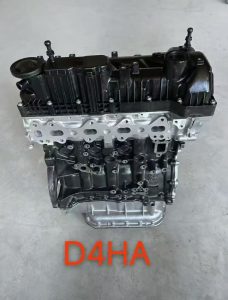
Finally, it is crucial to note that the antifreeze in aluminum alloy engines must be replaced regularly. Aluminum alloys are relatively susceptible to corrosion; antifreeze contains corrosion inhibitors that help mitigate the corrosive effects of water on the metal. If these inhibitors become depleted, the cylinder block may suffer corrosion, potentially leading to internal coolant leaks, a reduction in the block’s structural integrity, and other issues. Cast-iron engines, being more corrosion-resistant, allow for a somewhat longer antifreeze replacement interval.