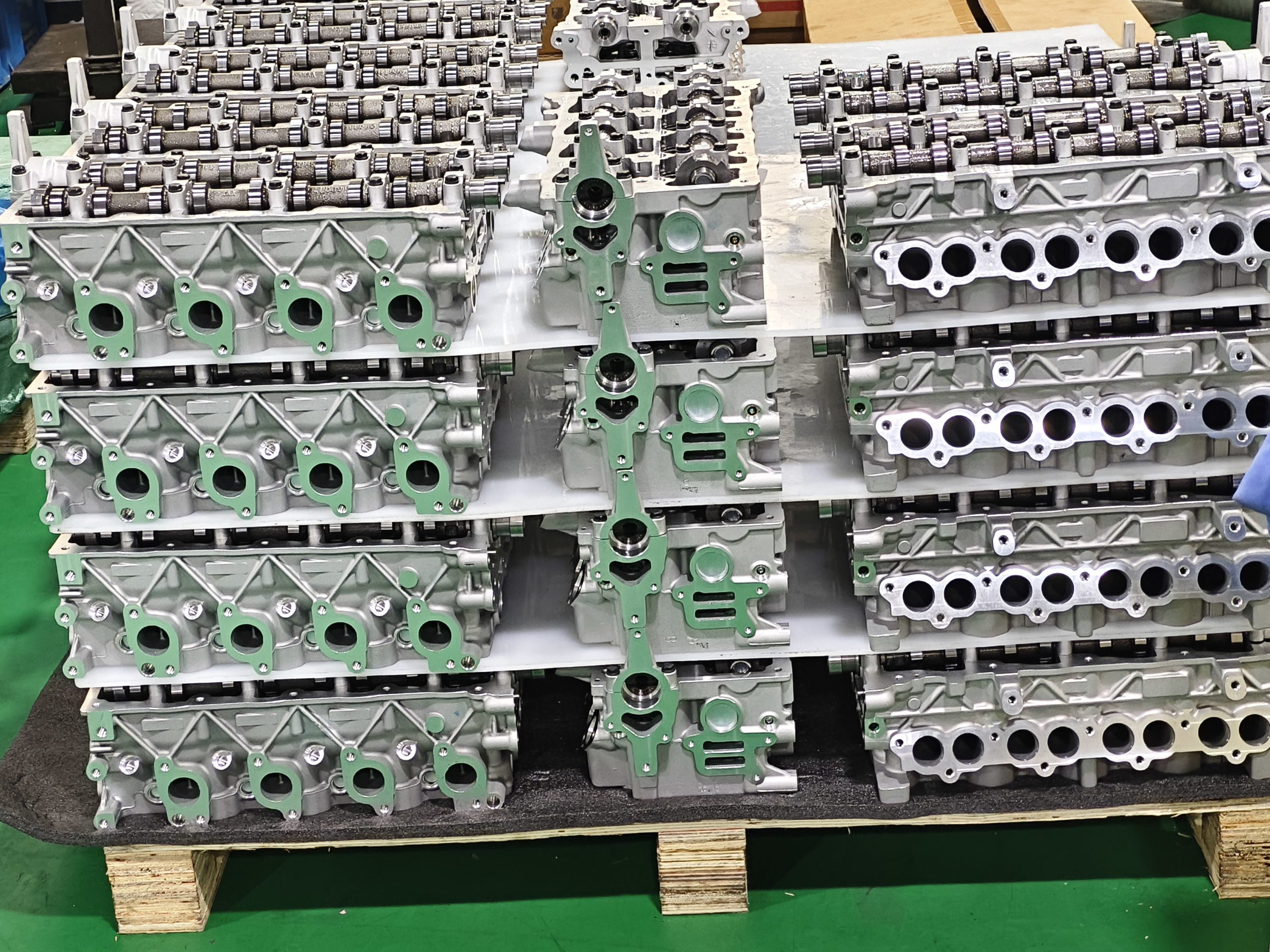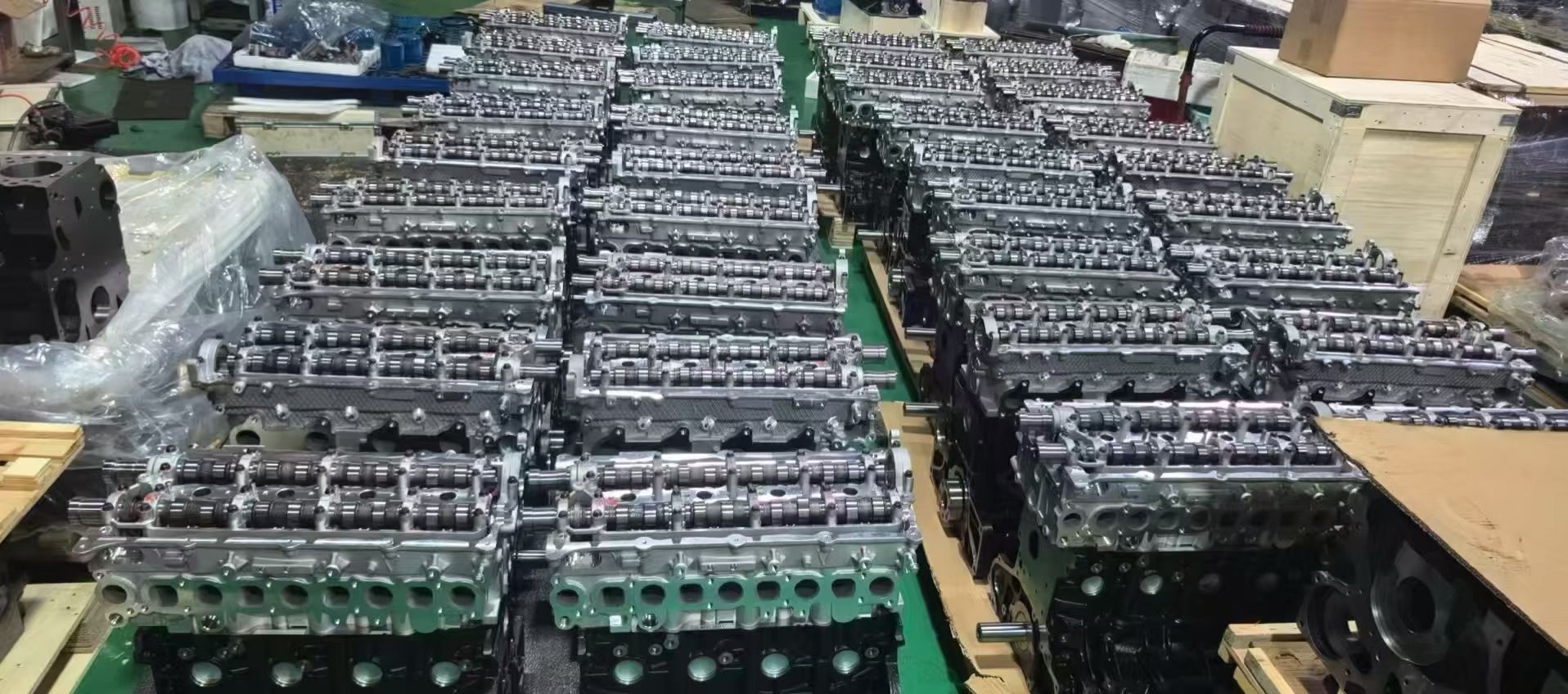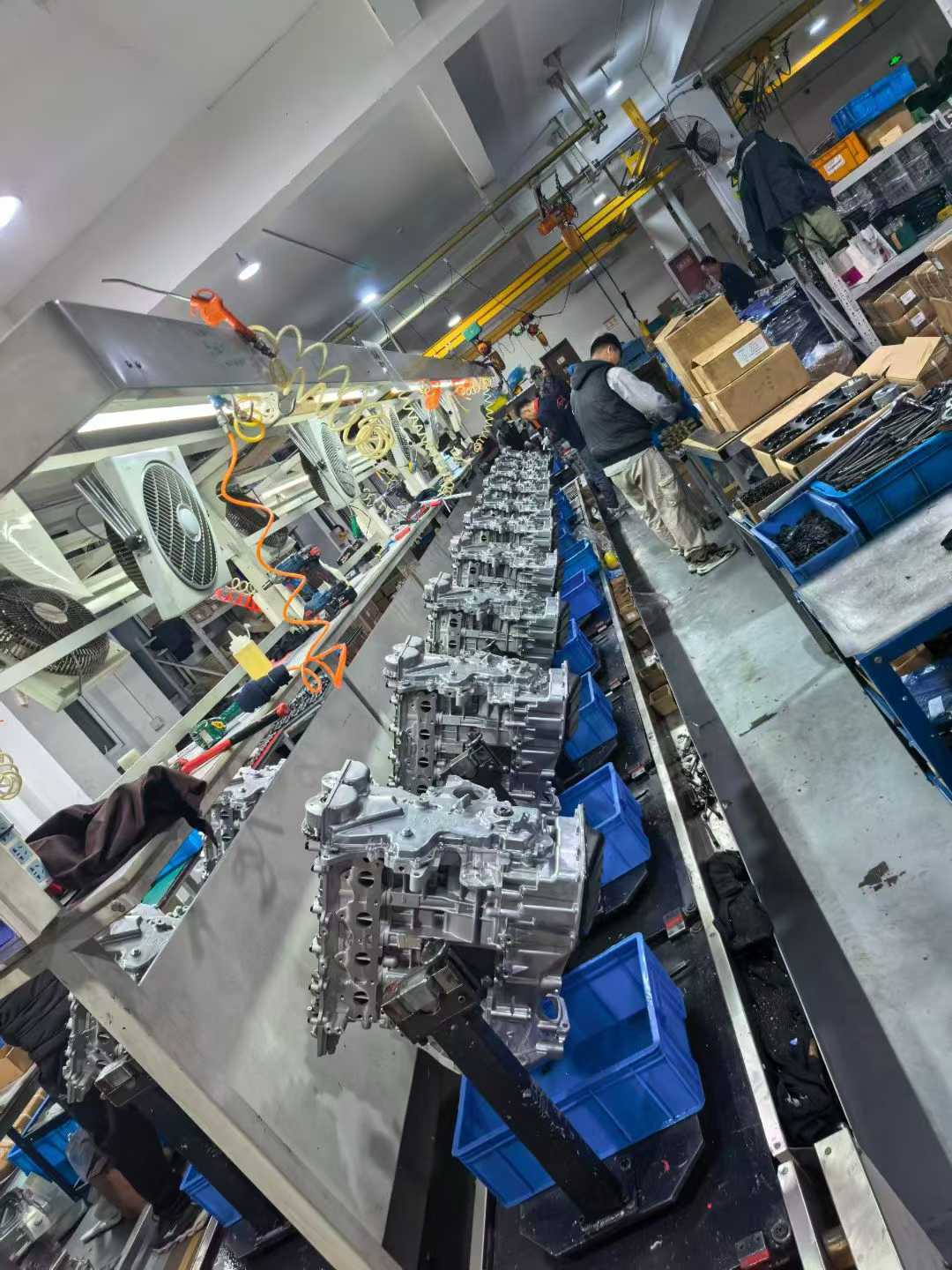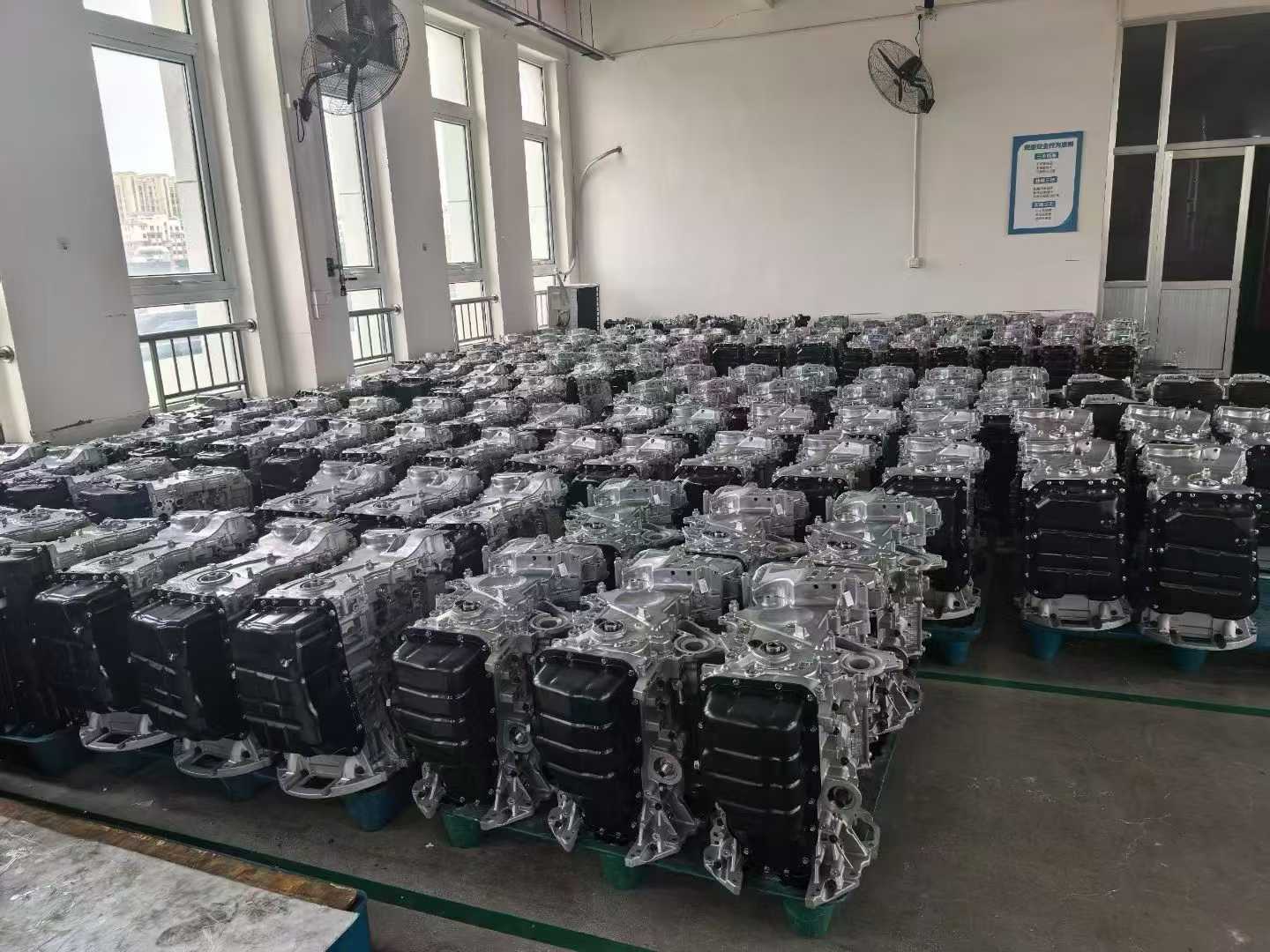
The quality of the cylinder head seal has a significant impact on the engine’s technical condition.
When the cylinder head seal is not tight, it will cause air leakage into the cylinder, resulting in insufficient cylinder compression pressure, lower temperature, and reduced air quality. Severe cylinder leakage will significantly reduce engine power, or even prevent the engine from operating. Therefore, if a power loss occurs during engine operation, in addition to investigating the underlying causes, it is also necessary to check the cylinder head seal. Below, we analyze the main factors affecting engine cylinder head sealing performance for your reference.

1. Incorrect Use and Installation of Cylinder Head Gasket
The cylinder head gasket is installed between the engine cylinder block and cylinder head. Its function is to ensure the combustion chamber is sealed and prevent leakage of fuel gas, coolant, and lubricating oil. Therefore, improper use and installation of the cylinder head gasket directly affects the sealing reliability of the cylinder head and its service life.
To ensure sealing quality, the selected cylinder head gasket must have the same specifications and thickness as the original cylinder head gasket. Its surface should be flat, the edges firmly attached, and free of scratches, dents, wrinkles, rust, etc. Otherwise, the sealing quality of the cylinder head will be affected.
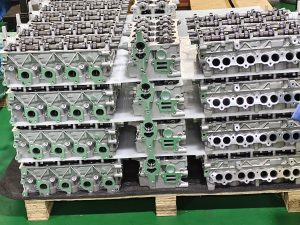
2. Slight Cylinder Head Play
Slight cylinder head play is the result of the cylinder head attempting to separate from the cylinder block under compression and combustion pressure. These pressures stretch the cylinder head connecting bolts, causing a slight play between the cylinder head and the cylinder block. This slight play causes the cylinder head gasket to loosen and tighten repeatedly, thus accelerating the damage to the cylinder head gasket and affecting its sealing performance.
3. Cylinder head bolts not tightened to the specified torque value
If the cylinder head bolts are not tightened to the specified torque value, the cylinder head gasket wear caused by slight runout will occur faster and more severely. If the bolts are too loose, the runout between the cylinder head and the cylinder block will increase. If the bolts are overtightened, the stress on the bolts will exceed their yield strength limit, causing the bolt elongation to exceed its design tolerance, which will also increase the runout of the cylinder head and accelerate the wear of the cylinder head gasket. Using the correct torque value and tightening the bolts in the correct sequence will minimize the runout between the cylinder head and the cylinder block, thus ensuring the sealing quality of the cylinder head.
4. Excessive flatness of the cylinder head or cylinder block
Warping and twisting are common problems with cylinder heads and are the main causes of repeated cylinder head gasket burnout. Aluminum alloy cylinder heads are particularly problematic due to their high thermal conductivity. Compared to the cylinder block, the cylinder head is smaller and thinner, leading to a rapid temperature rise. When the cylinder head deforms, its fit with the cylinder block surface weakens, reducing the cylinder’s seal quality, causing leaks, and potentially burning out the cylinder head gasket, further deteriorating the overall seal. Severe warping of the cylinder head necessitates replacement.
5. Uneven Cylinder Surface Cooling: Uneven cooling of the cylinder surface creates localized hot spots. These spots cause excessive expansion of small areas of metal on the cylinder head or cylinder block, compressing and damaging the cylinder head gasket. This damage leads to leaks, corrosion, and eventually, burn-through.
Replacing the cylinder head gasket before identifying the cause of these localized hot spots is futile, as the replaced gasket will eventually burn out as well. Localized hot spots can also cause additional internal stress in the cylinder head, resulting in cracks. If the operating temperature exceeds normal levels, these hot spots can have serious negative effects. Any overheating can cause permanent distortion of the cast iron cylinder block.
6. Issues Related to Coolant Additives
Adding coolant to the coolant can create air bubbles. Air bubbles in the cooling system can cause cylinder head gasket failure. When air bubbles are present in the cooling system, the coolant cannot circulate properly, resulting in uneven engine cooling, localized hot spots, and damage to the cylinder head gasket, leading to poor sealing. Therefore, to achieve even engine cooling, air must be purged from the engine when adding coolant.
Some drivers use antifreeze in winter and switch to water in summer, believing it to be economical. However, this practice has numerous drawbacks. The minerals in water easily form scale that adheres to the water jacket, radiator, and water temperature sensor, causing inaccurate engine temperature control and overheating. This can even lead to cylinder head gasket failure, cylinder head warping, cylinder scoring, and bearing failure. Therefore, antifreeze should be used even in summer.
7. Poor Diesel Engine Repair and Assembly Quality
Poor engine repair and assembly quality is a major cause of poor cylinder head sealing and a primary factor in cylinder head gasket burnout. Therefore, when repairing or assembling an engine, it is crucial to strictly follow relevant requirements and correctly disassemble and assemble the cylinder head.
When disassembling and assembling the cylinder head, it should be done when the engine is cold. Disassembly when the engine is hot is strictly prohibited to prevent warping or deformation of the cylinder head. Disassembly should be done symmetrically from both sides towards the center, gradually loosening the head in multiple stages. If the cylinder head is firmly attached to the cylinder block and difficult to remove, it is strictly forbidden to strike it with metal objects or pry it open with sharp, hard objects (an effective method is to use a starter to rotate the crankshaft or rock the crankshaft, allowing the high-pressure gas generated inside the cylinder to push it open), to prevent scratching the mating surfaces of the cylinder block and cylinder head or damaging the cylinder head gasket.
When assembling the cylinder head, first remove oil, carbon particles, rust, and other impurities from the mating surfaces of the cylinder head and cylinder, as well as from the bolt holes in the cylinder block. Clean these surfaces with high-pressure air to prevent insufficient bolt clamping force. When tightening the cylinder head bolts, tighten them symmetrically from the center outwards in 3-4 stages, ensuring the final tightening reaches the specified torque with an error ≤2%. For cast iron cylinder heads, after the engine temperature reaches 80℃, retighten the bolts to the specified torque. For bimetallic engines, this retightening should be performed after the engine has cooled down.
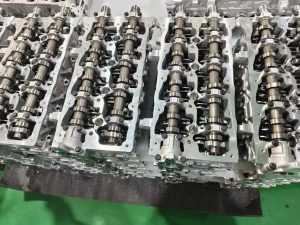
8. Using Inappropriate Fuel
Dietary engines of different structural types have different requirements for the cetane number of diesel fuel. Using unsuitable fuel will not only reduce fuel economy and power but also cause excessive carbon buildup or abnormal combustion in the engine, leading to excessively high local engine temperatures, resulting in cylinder head gasket and engine block erosion, and reduced cylinder head sealing performance. Therefore, the cetane number of diesel fuel used in diesel engines must meet the specified requirements. 9. Improper Diesel Engine Operation: Some drivers, fearing engine stalling, constantly rev the engine repeatedly when starting it, or run it at high speed immediately after starting to maintain engine operation. During driving, they frequently coast in neutral with the engine off, then force-start it by engaging gear. Operating an engine under these conditions not only increases engine wear but also causes a rapid increase in cylinder pressure, easily damaging the cylinder head gasket and leading to decreased sealing performance. Furthermore, frequently overloading the engine (or premature ignition) and causing prolonged detonation combustion results in excessively high local pressure and temperature within the cylinder, which also damages the cylinder head gasket and reduces its sealing performance.