For gasoline engines, SN grade gasoline engine oil should be selected according to the additional devices of the intake and exhaust system and the operating conditions; the selection standard should not be lower than the requirements specified by the manufacturer.
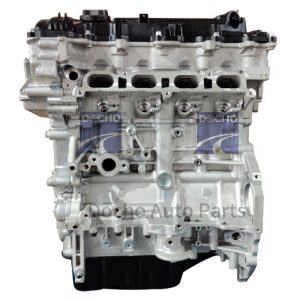
Regularly change your engine oil and filter.
The quality of any grade of lubricating oil will change during use. To avoid malfunctions, change the oil regularly according to usage conditions and keep the oil level at the appropriate level (generally, the upper limit on the dipstick is best). When engine oil passes through the fine pores of the filter, solid particles and viscous substances in the oil accumulate in the filter. If the filter is clogged, engine oil cannot pass through the filter element, which may cause the filter element to burst or open the safety valve, allowing oil to pass through the bypass valve and still carry dirt back to the lubrication points, accelerating engine wear and exacerbating internal contamination.
Maintain good crankcase ventilation.
Most gasoline engines are now equipped with a PCV valve (Powered Crankcase Ventilation) to facilitate engine air exchange, but contaminants in the blow-by air can accumulate around the PCV valve, potentially causing blockage. Therefore, the PCV valve must be maintained regularly to remove contaminants around it.
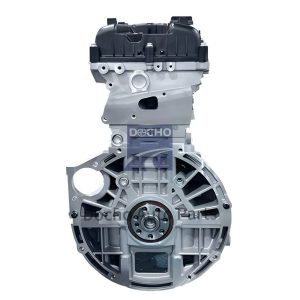
Regularly Clean the Crankcase.
During engine operation, high-pressure unburned gases, acids, moisture, and oxides of sulfur and nitrogen from the combustion chamber enter the crankcase through the gap between the piston rings and cylinder walls. These mix with metal powder from component wear, forming sludge. In small amounts, sludge remains suspended in the oil; in larger amounts, it precipitates out, clogging filters and oil passages, causing lubrication difficulties and wear. Therefore, regularly clean the crankcase with a high-efficiency, fast-acting lubrication system cleaner to keep the engine interior clean.
Regularly Clean the Fuel System During the combustion process, fuel inevitably produces gum and carbon deposits, which accumulate in the fuel lines, carburetor, injectors, and combustion chamber. These deposits interfere with fuel flow, disrupt the proper air-fuel ratio, and cause poor fuel atomization, leading to engine hesitation, knocking, unstable idling, and poor acceleration. Using a powerful and efficient fuel system cleaner to clean the fuel system, and regularly using a specialized cleaner to control carbon buildup, can keep the engine in optimal condition.
Regular Radiator Maintenance.
Rust and scale buildup in the engine radiator are common problems. Rust and scale restrict coolant flow in the cooling system, reducing heat dissipation and causing engine overheating, even damage. Regularly cleaning the radiator with a high-efficiency radiator cleaner to remove rust and scale not only ensures normal engine operation but also extends the overall lifespan of the radiator and engine.