A good lubrication system is fundamental to the normal operation of an engine, and its condition significantly impacts the engine’s economy, reliability, and durability. Today, we’ll discuss a crucial component of the engine lubrication system: the crankshaft rear oil seal. The rear oil seal is fitted onto the flywheel housing and forms a seal with the rear end of the crankshaft. Since leaks are not directly inspected on an assembled diesel engine, it’s impossible to check for leaks directly.
Engine crankshaft rear oil seals typically consist of asbestos packing, an oil slinger, and a return thread structure. While asbestos packing is inexpensive and easy to install and remove, it also has drawbacks such as unstable performance and lack of elasticity. The tightness of the asbestos packing in contact with the crankshaft journal is difficult to control. After a period of operation, wear and deformation can lead to excessive gaps and oil leaks. Crankshaft oil seal leaks cause engine oil consumption, oil burning, and reduced oil levels, which accelerates engine wear, affects lubrication, and ultimately reduces engine lifespan.
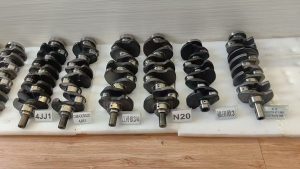
Oil Leakage Diagnosis
In daily use of a car, if an abnormal oil consumption is observed in a diesel engine after a period of use, and there is oil residue at the bottom of the flywheel housing, it can be initially determined that the engine’s rear oil seal is faulty. Upon disassembly and inspection, it was found that serious faults such as deformation of the crankshaft rear oil seal lip, burrs on the outer circumference of the crankshaft rear end, penetrating scratches on the oil seal lip, and scratches on the crankshaft journal caused the oil leak.
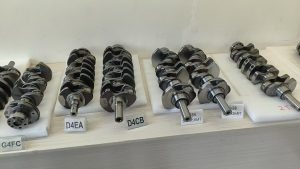
What are the causes of oil leakage from the crankshaft rear oil seal?
1. The oil seal is misaligned, the lip is scratched, or the lip is flared.
2. The oil seal self-tightening spring is too long or too short. If the spring is too long, the pressure between the lip and the outer surface of the crankshaft flange will be insufficient, leading to oil leakage. If the spring is too short, the pressure on the lip will increase, causing premature wear of the crankshaft and oil seal.
3. The self-tightening spring has come out of its groove.
4. The shape or position of the oil seal seat hole is incorrect.
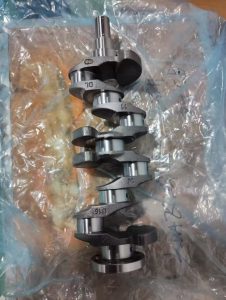
In actual assembly and use, oil leakage from the rear crankshaft oil seal can occur. If the oil leakage from the rear crankshaft oil seal is severe, some engine oil should be injected into the crankcase immediately, and then repairs should be carried out as soon as possible. Otherwise, it may cause further damage to the engine, affect the engine’s lifespan, and also cause problems such as increased oil consumption, belt slippage, a large amount of blue smoke after parking, and a pungent smell.